
In the world of weight loss breakthroughs, Ozempic (semaglutide) has taken center stage. Originally designed to treat type 2 diabetes, this injectable medication has become widely popular for its dramatic weight loss effects. However, with rapid weight loss comes some unexpected side effects—including what many are now calling Ozempic butt.
If you’ve heard the term and wondered what it means, you’re not alone. Let’s dive into what Ozempic butt really is, the science behind it, and how The Hudson Med Spa can help you address it safely and effectively.
What Is Ozempic Butt?
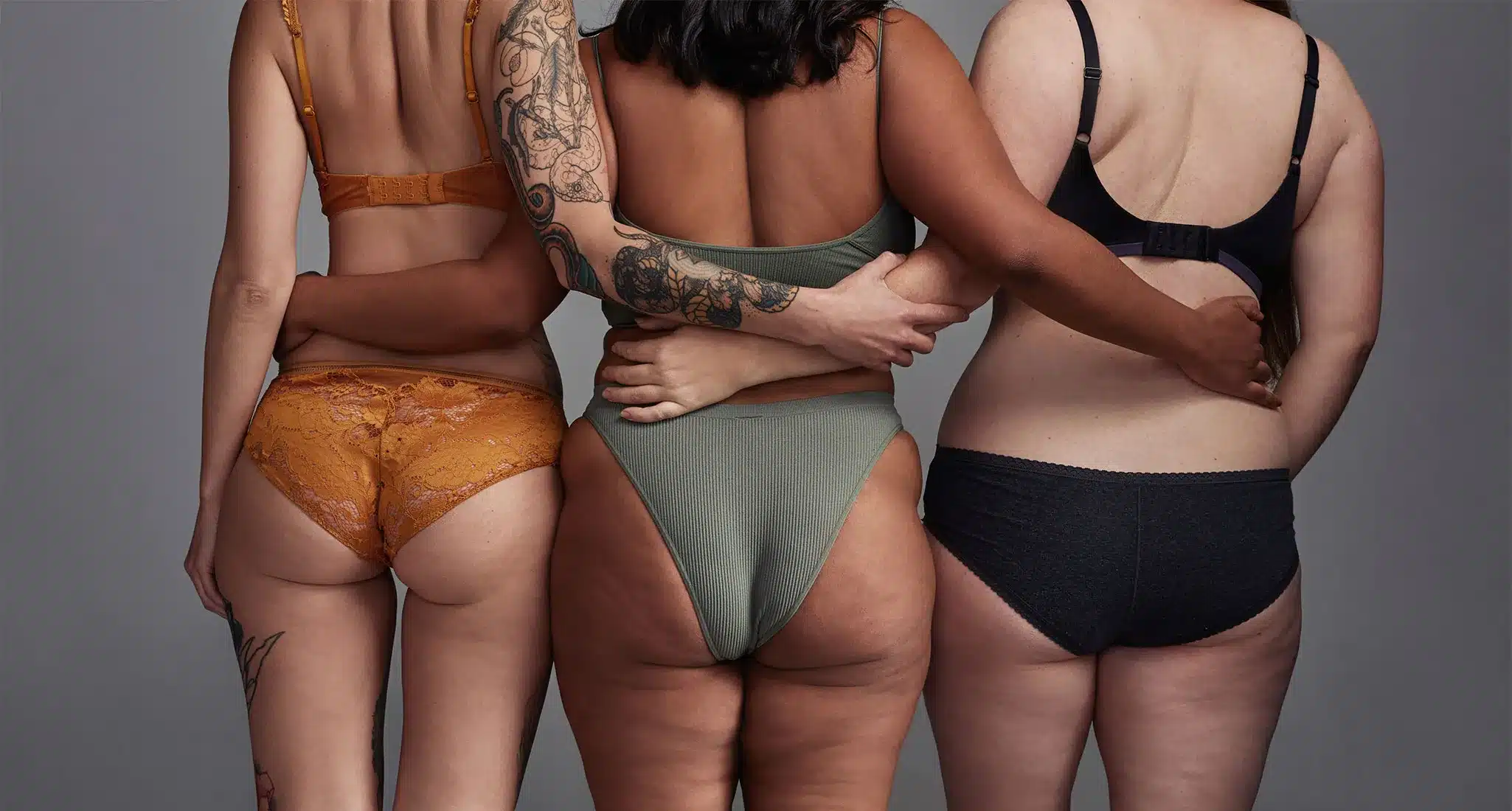
Ozempic butt refers to the loss of volume, firmness, and shape in the buttocks after using Ozempic or similar GLP-1 medications like Wegovy, Zepbound or Mounjaro. It’s not an official medical term, but rather a phrase coined on social media to describe the sagging or deflation of the buttocks that can occur with significant and rapid weight loss.
This condition isn’t unique to Ozempic—it’s a common effect of losing fat quickly, especially in areas like the face, breasts, and buttocks. Many people also notice hollowing or loss of contour in areas that typically maintain volume, which is why treatments such as Fillers are often used to restore shape. Because Ozempic and other GLP-1 medications promote fast and often dramatic weight loss, these aesthetic changes may be more pronounced and happen faster than with traditional diet and exercise.
Where Did My Shape Go? (The Science of Ozempic Butt)
GLP-1 medications like Ozempic work by regulating blood sugar, slowing digestion, and signaling to your brain that you’re full—leading to reduced appetite and lower calorie intake. This impacts the amount and distribution of fat and muscle in our body. With less calories consumed, we do not have enough fuel to feed our muscles, resulting in less fat AND less muscle.
- With fat loss comes loss of volume
- Less calories makes it harder to maintain muscle mass
- The skin may not have time to adjust, especially if the weight loss is rapid or you’re older, resulting in sagging or a “deflated” look.
So, Ozempic butt isn’t dangerous, but it can be distressing from a cosmetic perspective—especially if you were happy with your shape before the medication. Treatments like Forma Skin Tightening can help address these changes by improving skin firmness and elasticity, offering a non-invasive way to restore confidence as your body adjusts.
Who’s Most at Risk for Ozempic Butt?
Anyone with prolonged weight loss is likely to notice a reduction in size of their buttocks to some degree. Fat storage varies person to person, and the same is true for fat loss. Ozempic butt does not occur in everyone on GLP-1 medication, but the following individuals are more likely:
- Rapid or extreme weight loss (more than 10% of body weight)
- Older age (less skin elasticity)
- Low muscle mass
- Genetic predisposition to losing fat in the gluteal area
- Sedentary lifestyle (lack of resistance training to preserve muscle)
If you’re starting or currently using Ozempic or another GLP-1 medication, it’s helpful to understand what causes these changes so that preventive strategies can be implemented, as explained by Medical News Today.
How to Prevent or Minimize Ozempic Butt
Here are a few ways to help protect your shape while still achieving your weight loss goals:
1. Support your Muscles with Protein & Strength Training
To minimize muscle loss, aim for adequate protein intake and resistance training at least 3 times per week. Squats, lunges, and deadlifts can help strengthen and preserve the glute muscles.
2. Stay Hydrated and Nourished
Dehydration can make sagging skin appear worse. Drink plenty of water, and ensure your diet supports skin health with collagen-rich foods, vitamins C and E, and healthy fats.
3. Lose Weight Gradually
While the appeal of fast results is strong, gradual weight loss gives your skin and body time to adjust, reducing the risk of deflation. It is recommended to lose 1-2 pounds per week.
How a Medical Spa Can Help Restore Shape and Confidence
At The Hudson Med Spa, we understand that achieving your ideal weight is only part of the journey. Our team of medical professionals and aesthetic specialists can help you address the cosmetic effects of weight loss, including Ozempic butt, with personalized, non-surgical solutions.
Here are some of the most effective treatments we offer:
1. Skin Tightening with Radiofrequency Microneedling
Treatments like Morpheus8 use energy-based technology to tighten loose skin by boosting collagen deep in the tissue—perfect for addressing the “saggy” appearance left behind after fat loss. Morpheus8 can also improve the appearance of cellulite in buttocks or thighs, which sometimes become more visible after dramatic weight loss.
2. Fat Transfer & Surgical Correction
For patients who have completed their weight loss journey we have surgical procedures that can enhance your new shape. A fat transfer involves removing fat from one area of your body—typically the abdomen, flanks, or thighs—through liposuction, and then purifying and re-injecting that fat into the buttocks to add shape, lift, and volume. This procedure not only helps restore fullness to the buttocks but can also sculpt your overall figure, enhancing your body’s natural contours. . lactating DIRTY OBSESSION
Ready to Restore Your Shape?
If you’ve experienced volume loss or sagging skin after Ozempic, our expert team at The Hudson Med Spa can help. Book a free consultation today to discuss your goals and discover the best treatment plan tailored just for you.